
Introduction
If you enjoy betting on sports, playing poker, or spinning slots, you probably understand the excitement that comes with a win. However, the line between recreation and compulsion can blur quickly, especially when you chase losses or feel restless without a wager. You can read the full post to explore how everyday habits might signal a deeper problem. Recognising these signals early helps you protect your finances, relationships, and mental health before the habit spirals out of control.
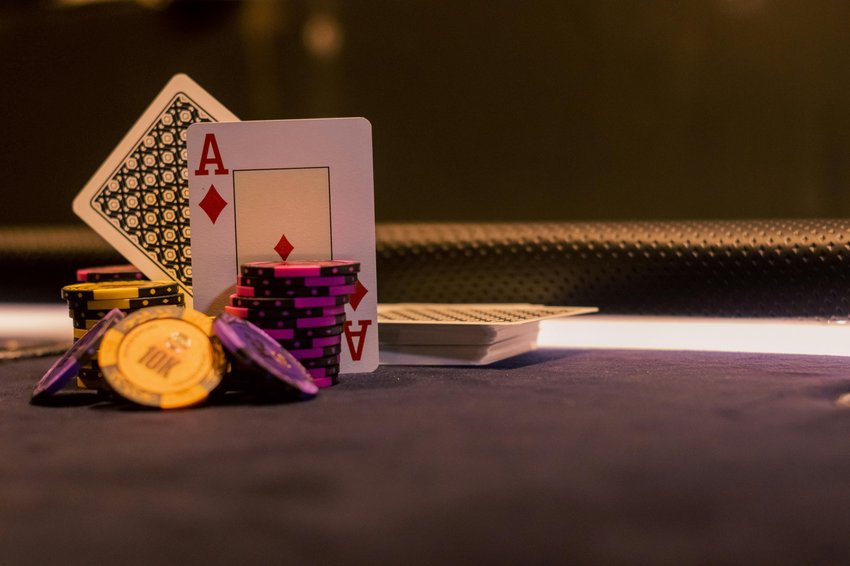
Australia’s gambling landscape features venues like Crown Melbourne and online platforms regulated by the Australian Communications and Media Authority. While these outlets provide entertainment, they also expose players to high‑stakes environments that can trigger dependency. As of 2026, research shows that roughly 1.5 % of Australian adults meet clinical criteria for gambling disorder, a figure that climbs among those who gamble daily.
Main Points
Financial warning signs
You might notice that you borrow money more often, use credit cards to fund bets, or hide cash from family members. When a single loss feels like a personal defeat, you may start chasing the amount by placing larger wagers, a pattern known as “loss chasing.” Many players report that they sell personal items or skip bill payments to keep gambling alive. If you find yourself lying about how much you spent or refusing to discuss your gambling activity, those are clear red flags that your finances are under strain.
Real‑world examples include people who sell their car to cover a night at a poker table or who transfer funds between accounts to hide withdrawals. The Australian Tax Office has flagged an increase in unusual cash flows linked to gambling, indicating that financial distress often accompanies addictive behaviour.
Emotional and psychological cues
Feelings of guilt, anxiety, or irritability frequently accompany problem gambling. You may experience a rush of excitement before a bet and a crushing disappointment afterward, especially when the outcome is unfavorable. Over time, the thrill of the gamble can replace other sources of pleasure, leaving you restless when you’re not betting. If you notice that you think about gambling even during work meetings, family dinners, or while watching television, that mental preoccupation suggests an unhealthy attachment.
Researchers at the University of Sydney found that individuals with gambling addiction often report lower self‑esteem and higher rates of depression. These emotional shifts reinforce the cycle: you gamble to escape negative feelings, but the losses deepen those feelings, creating a self‑perpetuating loop.
Behavioral patterns that raise alarms
You may start gambling at odd hours, such as early mornings or late nights, because the urge overrides your usual schedule. You might also increase the frequency of visits to venues like Star Entertainment casinos or spend more time on online sites such as Bet365. When you constantly check betting apps, set alerts for promotions, or feel compelled to place a bet the moment you see a sports update, those behaviours indicate a loss of control.
Another common habit is the use of multiple accounts to evade self‑exclusion requests. If you have tried to limit your spending through tools offered by the betting platform but still find ways around them, you are likely in denial about the severity of your habit.
Social repercussions
Friends and family may comment on your gambling habits, and you might start avoiding social events that don’t involve a wager. You could notice arguments over money, strained relationships, or a tendency to isolate yourself to protect your gambling routine. When you hide your activities or become defensive when questioned, those reactions often signal that you recognise the impact but feel unable to stop.
Legal issues also emerge for some players. In recent years, Australian courts have seen an uptick in cases where individuals faced charges for fraud or theft linked to gambling debts. Recognising these social signals early can help you seek support before legal consequences arise.
Physical health indicators
Chronic stress from gambling can lead to sleep disturbances, headaches, and digestive problems. You might notice that you skip meals to stay awake for a live betting session or that you drink more alcohol to cope with the tension of a loss. Over time, the combination of poor sleep, unhealthy eating, and high adrenaline can weaken your immune system, making you more vulnerable to illness.
Healthcare providers in Victoria report that patients who disclose gambling problems often present with hypertension or anxiety‑related ailments. Addressing the root cause—your gambling behaviour—can alleviate many of these physical symptoms.
Author
Sofia Moreau is a seasoned analyst who specialises in casino bonus terms and wagering requirements; she advises players on responsible gambling practices and has consulted for major Australian gaming operators.
FAQ
How can I tell if my gambling is becoming a problem?
You may notice persistent thoughts about betting, financial strain, and withdrawal from non‑gambling activities.
Is chasing losses a normal part of gambling?
Chasing losses often signals loss of control and can quickly lead to deeper debt.
Can I self‑exclude from online gambling sites?
Most regulated Australian platforms offer self‑exclusion tools that you can activate through your account settings.
What resources are available for help in Australia?
You can contact Gambling Help Online or call the national helpline at 1800 858 858 for confidential support.
Will limiting my betting budget prevent addiction?
Setting a strict budget helps, but you also need to monitor emotional triggers and seek professional advice if needed.